


Seasonal
Sending a parcel to a student abroad: Erasmus, halls of residence and what to pack
What is worth sending and what to buy locally, how to address a parcel to a hall of residence, what shipping costs and why cheese and sausage should stay out of a parcel to Britain.

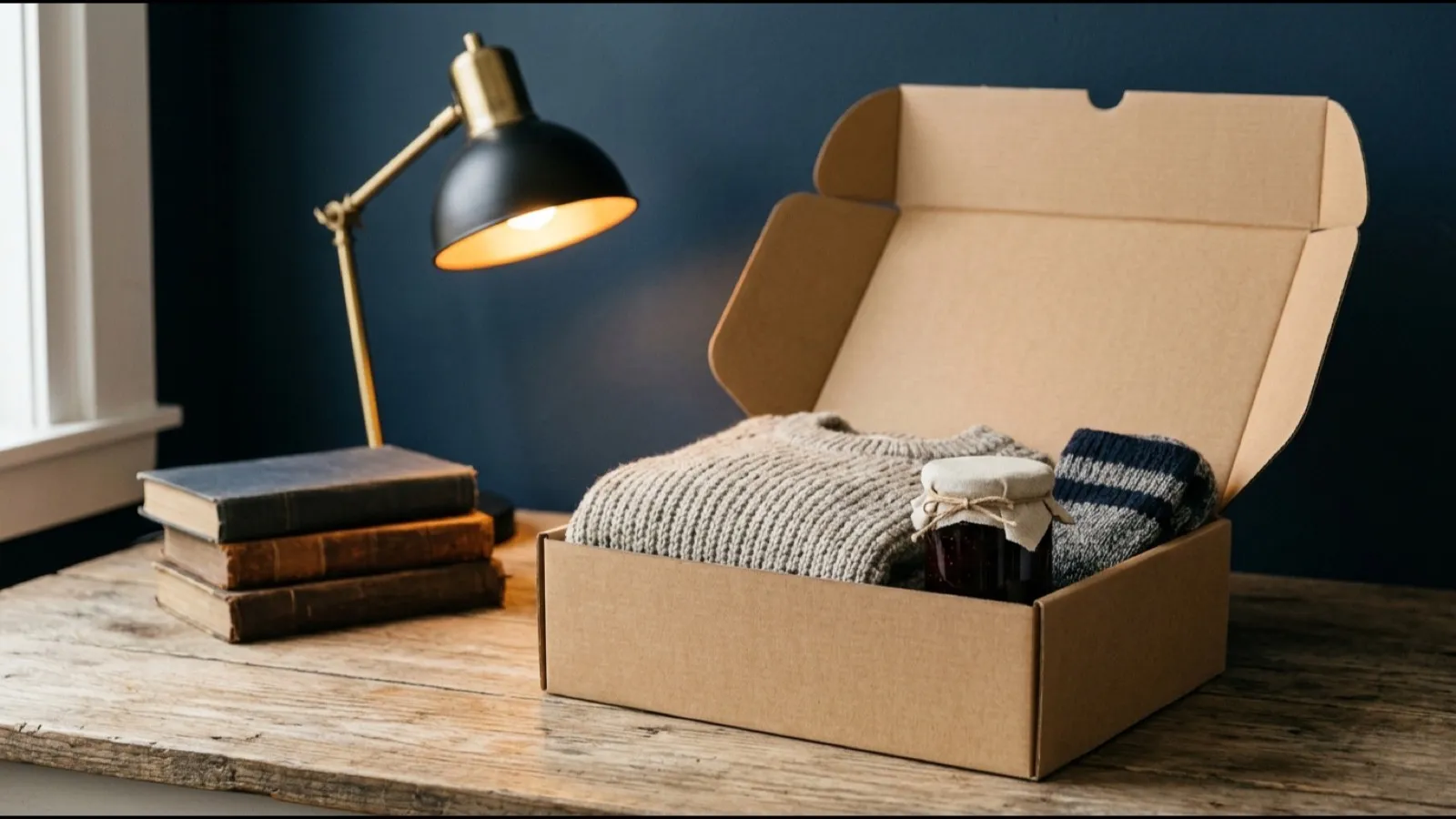
A few weeks into the semester the first message arrives: “It is freezing here, can you send my winter coat?” Sending a parcel to a student abroad is not complicated once you know where to address it, what to leave out and what it will cost. Within the EU it is barely different from posting a box to the next town.
What is worth sending and what to buy locally
Start with simple arithmetic. Shipping a 5 kg parcel between neighbouring EU countries costs €11–20. It makes sense to send things that are already sitting at home and would cost more than the postage to replace. A winter coat, yes. Coat hangers, no.
- Send: winter clothes and shoes, textbooks, sports gear, favourite long-life food, small electronics left behind.
- Buy locally: bedding, kitchenware, toiletries, hangers, cheap appliances. They take up a lot of space and every university town sells them at similar prices.
- Do not send at all: documents, cash and prescription medicines. They belong in hand luggage or a registered letter, not in a box between jumpers.
If the student is moving for a full year and there are two suitcases’ worth of things, look at shipping luggage by courier instead. It works the same way with a bigger box.
Where to address it: hall of residence, flat or pickup point
This is where most student parcels go wrong. The courier cannot find a name on the doorbell, the reception desk refuses the parcel and the box travels back to the sender. The return trip is at your expense.
- Hall of residence: include the name of the hall, the building and the room number. The student should ask reception in advance whether they accept parcels and where to collect them.
- Shared flat: the name on the parcel must match a name on the doorbell or letterbox. If the student is not listed, use “c/o” and the name of someone who is.
- Pickup point or locker: the safest option for someone who is in lectures all day. The parcel waits and the student collects it in the evening.
Always give the recipient’s local phone number and email. A courier in Lisbon will not call a foreign number. Country-specific formats are covered in the guide on how to address a parcel.
How much does a parcel to a student abroad cost
These are indicative 2026 prices for private senders and they vary by carrier and box size. For larger parcels volume counts as much as weight, so a light duvet can cost more than you would expect.
| Shipment | Indicative price | Delivery |
|---|---|---|
| 2 kg, neighbouring EU country | €8–15 | 2–4 days |
| 5 kg, neighbouring EU country | €11–20 | 2–4 days |
| 15 kg, across Europe (e.g. Central Europe → Spain) | €25–35 | 4–6 days |
| Small parcel up to 2 kg, EU → United Kingdom | €15–32 | 2–5 days |
The lower end usually comes from brokers such as Eurosender, which resell DPD and GLS volume rates. The upper end is national post offices and express services from DHL Express, UPS or FedEx. For a specific route, try the parcel price tool.
Food from home: what travels and what does not
A parcel from home without food is hardly a parcel from home. Within the EU you can send almost anything that is long-life and well packed: biscuits, chocolate, spices, tea, instant soup, a jar of jam.
Anything that needs a fridge is a different matter. A home-cooked meal in a jar can spend several days in depots and vans with no cooling. Carriers generally exclude perishable goods from carriage, so nobody will compensate you for spoiled contents.
- Glass: wrap each jar separately and place it in the middle of the box, between clothes.
- Alcohol: many carriers do not carry it at all. Check the terms before you pack the home-made plum brandy.
- Liquids: put them in a sealable bag. One broken bottle ruins the whole parcel, and sometimes the ones next to it.
The full overview is in the guide to prohibited items in parcels.
Outside the EU: the United Kingdom, Switzerland and others
Once the student is outside the EU, paperwork appears. Every parcel needs a customs declaration (CN22 or CN23) with a specific description of the contents and their value. Write “used winter coat, 2 books”, not “personal items”.
For the United Kingdom the thresholds for gifts between private individuals are clear: no VAT on gifts worth £39 or less, and customs duty only above £135. A parcel of clothes and chocolate usually fits within the limit. A new laptop does not.
Be careful with food. Because of animal disease outbreaks in the EU, British rules do not allow most meat and all dairy products from EU countries to be brought in for personal use. That includes cheese, butter and sausage, so leave them out of a parcel for a student in London or Edinburgh. Prices and procedure are covered in shipping a parcel to the UK.
When to send and how to pack
A parcel takes 2–4 working days to a neighbouring country and 4–6 days across the continent. Send it at least a week before it is needed, and not on a Friday afternoon, when it would only sit in a depot over the weekend.
- A rigid box, not a bag or a sack. On the sorting line a heavier one will land on top of it.
- Fill the gaps with clothes or paper. Nothing inside should move.
- Watch the weight. Split a box heavier than 20 kg into two. A lighter parcel is easier to carry and suffers less on the way.
- Share the tracking number. The student will know when to be in or when to stop by the pickup point.
Step-by-step instructions, including materials, are in the guide on how to pack a parcel.
What to remember
Within the EU, a parcel to a student involves no duty and no forms. You need a correct address with a room number, a local phone number and a rigid box. Expect roughly €8–20 for an ordinary parcel to a neighbouring country. Outside the EU, add a customs declaration, and for Britain leave out meat and dairy. If this is your first international parcel, the guide on how to send a parcel abroad walks through the whole process.
Quick facts
Sending a parcel to a student abroad: Erasmus, halls of residence and what to pack
schedule Updated
Summary
Sending a parcel to a student abroad (Erasmus exchange or a full degree) within the EU needs no customs declaration and attracts no duty or import VAT. Typical 2026 prices for private senders: a 2 kg parcel between neighbouring EU countries costs roughly €8–15, a 5 kg parcel €11–20, and a 15 kg box across the continent around €25–35 through a broker such as Eurosender. A parcel to the United Kingdom always needs a CN22 or CN23 customs declaration; gifts between private individuals worth £39 or less are exempt from VAT and customs duty applies above £135. Most meat and all dairy products from EU countries cannot be brought into Great Britain for personal use. Address a parcel to a hall of residence with the hall name and room number, or use a pickup point or locker.
- Duty and VAT within the EU
- None, no customs declaration
- 2 kg parcel, neighbouring EU country
- roughly €8–15
- 15 kg box across Europe
- around €25–35 via a broker, 4–6 days
- Gift to the United Kingdom
- VAT-free up to £39, customs duty above £135
- Food to Great Britain
- most meat and all dairy from the EU not allowed
- When to send
- about a week before the parcel is needed