


Tips
How to Ship Wine and Alcohol: Carrier Rules, Excise Duty and Packing Bottles
UPS only carries alcohol for licensed shippers, and every carrier wants leak-proof packing. How to pack a bottle, when excise duty applies and why spirits over 24% cannot go to the UK by post.

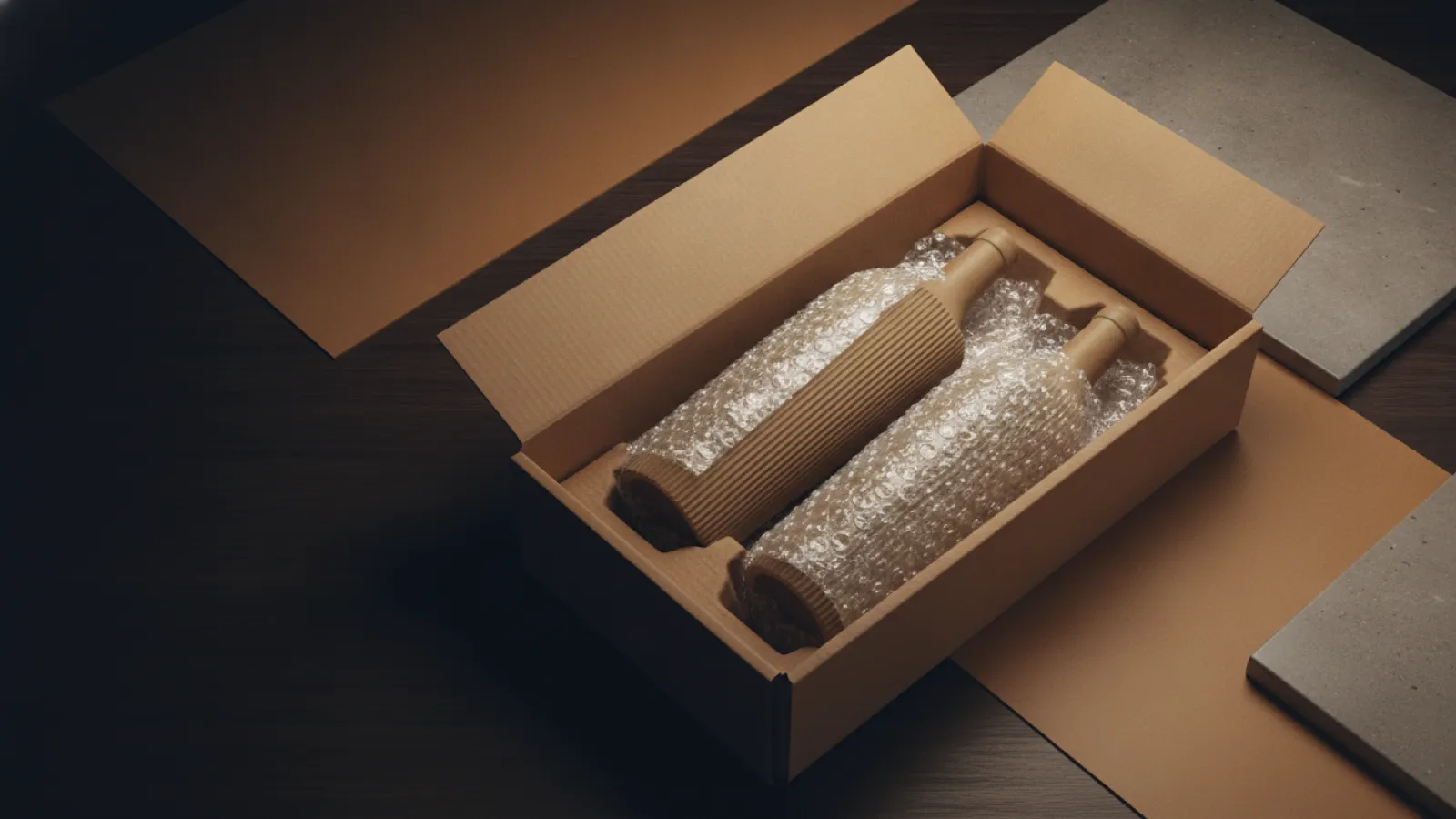
A bottle of wine for your dad’s birthday, a vintage from a cellar door for your sister in Vienna, a local spirit for a friend in Dublin. How do you ship wine so it arrives in one piece and isn’t seized on the way? Within one country it’s usually manageable. Across borders it gets harder, and with some carriers a private sender simply can’t ship alcohol at all, however well it’s packed.
Below: what to check with the carrier, how to pack a bottle to survive a sorting hub, and what changes once the parcel crosses a border.
Can you send alcohol by parcel at all?
Generally yes, but no rule applies to every carrier. Each one has its own terms and its own list of prohibited or restricted goods, and those lists change. Before you book, open the terms of the specific carrier or ask their customer service. For an overview of what never belongs in a parcel, see our guide to prohibited items in parcels, or check a specific item in the prohibited items tool.
UPS is the strictest of the big names. According to its own rules, it carries alcohol only for approved shippers who hold the relevant licence and have signed the International Special Commodities (ISC) addendum. That explicitly includes non-commercial parcels such as personal gifts and samples. Shipments to consumers must also go with an adult signature service. So as a private person, you can’t send a bottle with UPS.
DHL, DPD, GLS and broker services such as Eurosender each set their own conditions, and they differ by service and destination. If alcohol isn’t mentioned, ask before you ship. And describe the contents honestly: if a bottle breaks and you didn’t declare it, you can forget about compensation.
How to pack a bottle so it arrives intact
A parcel with wine passes through several hubs, conveyor belts and chutes. Assume it will be dropped, and that something heavier will be stacked on top of it. Here’s how to pack it:
- A rigid box with room to spare. Leave at least 5 cm of cushioning on every side. Purpose-made cardboard bottle shippers with inserts that hold the bottle in place work best.
- Wrap each bottle separately. Two or three layers of bubble wrap, with extra at the neck and base, where bottles crack most often.
- A plastic bag around the bottle. If it does break, the wine stays inside and doesn’t ruin other parcels. Leak-proof packing is a standard carrier requirement for liquids.
- No gaps. Shake the box. If anything moves, add paper or air pillows.
- Separate the bottles. With more than one, put cardboard dividers between them; glass against glass breaks even on a light knock.
- This way up. Keep the bottle upright so the cork or screw cap is under less pressure. A FRAGILE sticker doesn’t hurt, but it won’t save bad packing.
For more on glass, read how to pack fragile items for shipping; for the basics, see how to pack a parcel. What to buy and what it costs is covered in parcel packaging supplies.
Shipping wine within the EU
Inside the EU there are no customs declarations, but alcohol is an excise product, so tax is the part people get wrong. According to Your Europe, excise duty on alcohol is generally due in the country where it is consumed. The well-known guide levels, such as 90 litres of wine or 10 litres of spirits, apply to travellers carrying alcohol themselves for their own use. A parcel sent by courier isn’t automatically covered by that, so don’t rely on it.
Two practical tips on top:
- Insure the value. A fine wine worth a few hundred euros needs higher cover; basic liability on cheap services is often low.
- Tell the recipient what’s coming. So the parcel doesn’t sit on a sunny doorstep or freeze outside. Wine doesn’t like temperature swings.
Shipping wine outside the EU
International parcels often fly, and air transport follows IATA/ICAO dangerous goods rules. Very strong spirits can fall under them, so check with the carrier before you ship anything high-proof.
Outside the EU, the rules get stricter:
- United Kingdom: spirits over 24% can’t be sent by international post at all, and excise duty is always charged, even on a gift under the £39 limit. More in our guide to sending parcels to the UK after Brexit.
- Switzerland and Canada: alcohol is excluded from gift relief, so it is always assessed for duty and tax. The limits are covered in sending gifts abroad: customs in 2026.
- United States: alcohol isn’t admitted without a federal licence, and USPS doesn’t deliver it.
Outside the EU you’ll also need a customs declaration with an honest description, volume and alcohol percentage. You can prepare one with the CN22 / CN23 generator.
Checklist before you ship
Check the specific carrier’s terms, bag and cushion the bottle properly, and for cross-border parcels expect tax in the recipient’s country. If you’re unsure, ask the carrier before you hand the parcel over. A broken bottle is annoying; a seized parcel with a fine is worse.
Quick facts
How to Ship Wine and Alcohol: Carrier Rules, Excise Duty and Packing Bottles
Updated
Summary
Wine and other alcohol can be sent by parcel only where both the carrier and the destination country allow it, and there is no single rule across carriers. UPS carries alcohol only for approved, licensed shippers who have signed its International Special Commodities (ISC) addendum, and this applies to non-commercial parcels such as personal gifts and samples too; deliveries to consumers need an adult signature. Parcels that travel by air must not contain anything banned under IATA/ICAO dangerous goods rules, and very strong spirits can fall under them. Within the EU, excise duty on alcohol is generally due in the country where it is consumed; the travellers allowance (such as 90 litres of wine or 10 litres of spirits) covers alcohol you carry yourself for personal use, not automatically a parcel. Spirits over 24% cannot be sent to the UK by international post and excise duty is always charged there; Switzerland and Canada exclude alcohol from gift relief; the US does not admit alcohol without a federal licence.
- UPS
- Alcohol only for licensed shippers with an ISC addendum, including personal gifts
- Air transport
- Nothing banned under IATA/ICAO dangerous goods rules; strong spirits may qualify
- Excise duty in the EU
- Generally due in the country where the alcohol is consumed
- Travellers allowance
- Covers alcohol carried in person for own use, not automatically a parcel
- United Kingdom
- Spirits over 24% banned in international post; excise duty always charged
- United States
- Not admitted without a federal licence